EILDP structure

National Project Structure

The Ethiopian Indigenous Languages Development Project connects national advisory leadership, strategic steering, the national project office, research subteams, technical implementation, and language-specific contributors.

Structure chart

EILDP National Project Structure

Governance guidance

Advisory Council

The Advisory Council gives broad national direction to the Ethiopian Indigenous Languages Development Project, connecting institutional leadership with community knowledge and long-term preservation priorities.

National guidance and legitimacy

The council is the senior advisory layer for the project. It helps align the work with national priorities, indigenous knowledge preservation, digital transformation, education, culture, and community representation.

View members

Institutional alignment

Connects MOE, MOCS, Gambella University, EAII, MINT, other universities, HOF/HOPR, and regional/community leadership.

Strategic advice

Supports long-term direction for documenting, digitizing, developing, and promoting Ethiopian languages.

Community voice

Keeps local communities and language owners visible in national language preservation decisions.

Public trust

Strengthens credibility, accountability, and cross-institutional confidence in the project.

Strategic coordination

Steering Committee

The Steering Committee translates national direction into coordinated project priorities, connecting ministries, EAII, universities, and research team leads.

From strategy to coordinated action

The committee helps sequence work, resolve coordination needs, align institutions, and support the national project team in moving preservation, technology, and education priorities forward together.

View members

Coordination

Links ministries, EAII, universities, and research leads around shared implementation priorities.

Planning

Supports work planning for documentation, platform development, content production, and learning applications.

Monitoring

Reviews progress across research subteams and partner implementation work.

Decision flow

Keeps the Advisory Council, national office, and subteams connected through clear communication.

National office

EILDP National Project Team

The National Project Team is the operational hub that coordinates research teams, partner universities, educators, community leaders, ministries, EAII, MINT, and contributors.

The operational center of the project

This team keeps implementation moving across documentation, digital product delivery, language learning resources, partner coordination, quality workflows, and public-facing outputs.

View members

Implementation rhythm

Coordinates timelines, milestones, reviews, and handoffs across the national project.

University partnerships

Works with partner university representatives and academic experts across language projects.

Contributor workflow

Connects advisors, translators, editors, reviewers, and audio pronunciation teams.

Digital delivery

Supports the movement from validated content into accessible online resources and applications.

Specialist research teams

Research Subteams

The project has three connected research subteams so preservation, technology, and educational application move together.

Three research streams working as one system

ILPD preserves and documents language knowledge, DIS turns structured resources into digital access, and Educational Applications prepares learning pathways for students, teachers, communities, and self-study users.

View members

ILPD Subteam

Indigenous Languages Preservation and Documentation: language documentation, community knowledge, linguistic data, and preservation standards.

DIS Research Subteam

Digital Innovations and Solutions: platform planning, data workflows, web and mobile tools, audio systems, and digital access.

Educational Applications Subteam

Learning pathways, course structure, self-study resources, teacher support, and practical language use.

Digital implementation

Technical Team

The Technical Team supports the platform, data workflows, user experience, content systems, mobile and web delivery, and digital tools that make language resources accessible.

Building the digital language platform

The team translates national language preservation goals into reliable software, usable interfaces, structured data, audio delivery, and scalable learning experiences.

View members

Web platform

Designs and maintains public-facing learning, team, culture, and language interfaces.

Language data

Supports structured language content, topics, translations, review workflows, and publication.

Digital access

Plans mobile-friendly and accessible experiences for learners and contributors.

Media support

Supports audio pronunciation resources and media presentation for language learning.

Language expertise

Linguistic Contributors

Linguistic contributors make each language resource accurate, readable, reviewed, and pronounceable for learners and communities.

Language-specific expert contribution

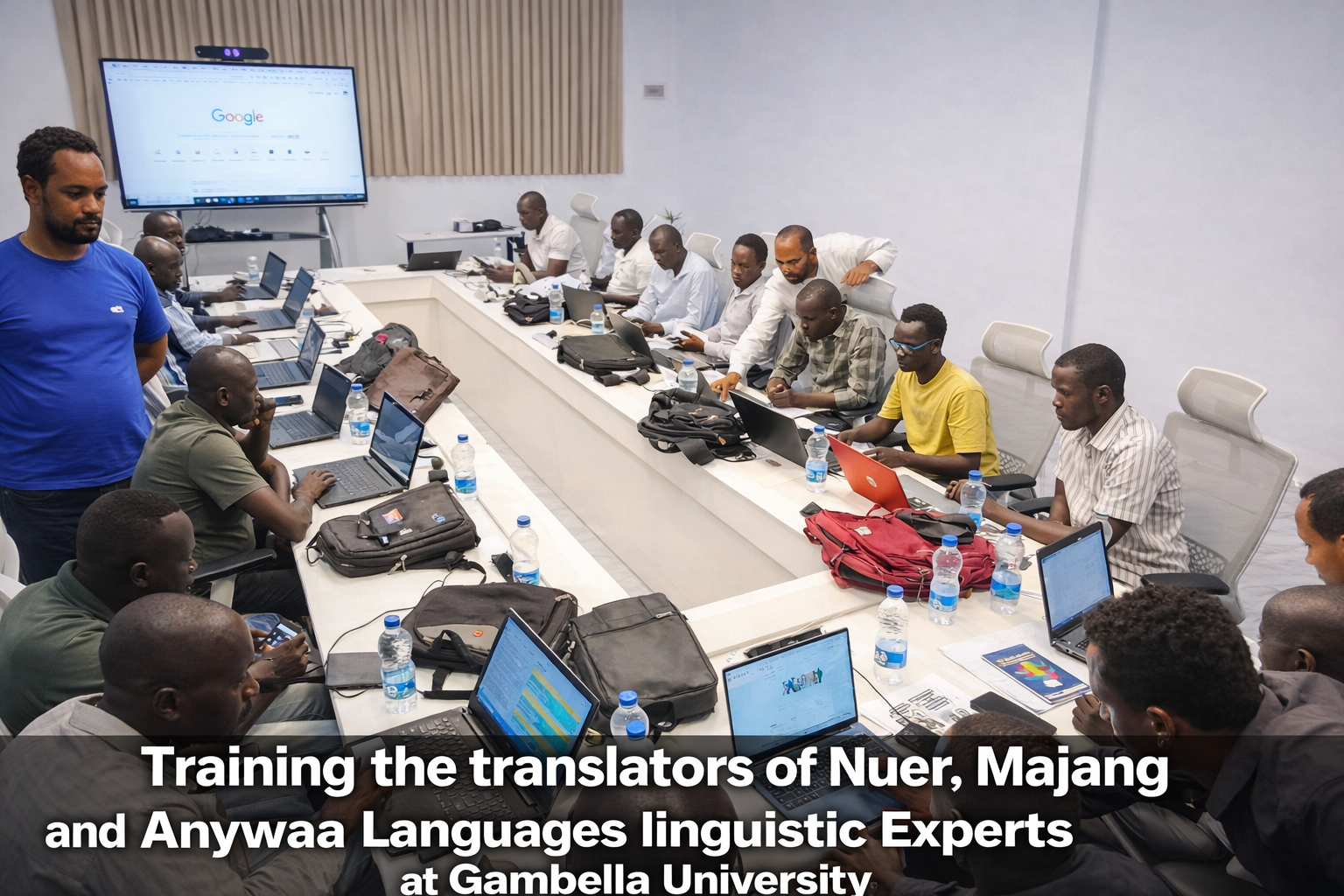
Each language can include advisors, translators, editors, reviewers, and audio pronunciation recorders. Their dashboard profiles appear on the relevant language contributor page.

View members

Advisors

Guide language, cultural, educational, and community-sensitive decisions.

Translators

Prepare language content and translations for learning and documentation outputs.

Editors and reviewers

Improve clarity, consistency, correctness, and publication readiness.

Audio pronunciation recorders

Support spoken learning resources through pronunciation recordings and audio contribution.

Partners

Institutional collaboration

The project structure recognizes the contribution of national institutions, universities, educators, researchers, technologists, and community representatives.